

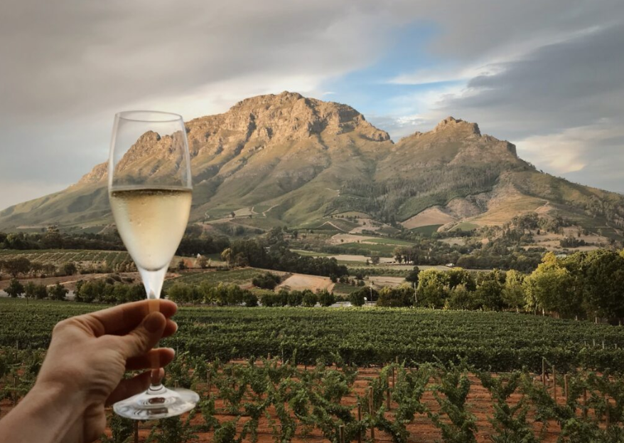
Wine Farms Stellenbosch Restaurants : People arrive at wine farms expecting magic because the setting looks stunning with vineyards stretching endlessly and mountains framing horizons beautifully. The atmosphere feels romantic and exclusive, creating expectations for extraordinary experiences. Then they discover the actual dining experience is forgettable despite the spectacular surroundings, disappointing expectations. The meal tastes ordinary while the wine pairing seems random rather than thoughtful. The service feels rushed despite appearing leisurely and relaxed. The vineyard setting carries such visual weight that mediocre food gets excused because guests blame themselves rather than wine farms in Stellenbosch restaurants. Customers remember views instead of appreciating what’s actually on their plates during meals.
How Wine Lists Become Excuses For Limited Selection
Farm restaurants claim to exclusively feature local wines, creating sophisticated pairings unavailable elsewhere. Wine Farms Stellenbosch Restaurants : Actually they feature local wines because those are the only affordable options obtainable consistently. The wine selection remains limited because sourcing diverse options proves difficult operationally. Rather than admitting constraints honestly, restaurants frame limitations as conscious choices reflecting terroir principles. They claim seasonal wine selection reflects agricultural realities when actually it reflects inventory management convenience. Sommeliers discuss terroir passionately, making limited options sound sophisticated rather than restrictive. Wine farms in Stellenbosch restaurants market constraint as exclusivity, successfully convincing customers limitations represent premium positioning.
Why Farm-To-Table Becomes Marketing Rather Than Reality
Wine Farms Stellenbosch Restaurants : Restaurants claim sourcing ingredients from surrounding farms, creating authentic connections to land and agriculture. In reality, farm-to-table becomes expensive marketing because farm-sourced ingredients cost more than conventional suppliers. Restaurants pass these costs to customers, claiming premium quality justifies higher prices. Sometimes farm ingredients genuinely taste superior, while often they taste identical to conventional options. Customers pay premium prices feeling virtuous about supporting local agriculture when subsidising restaurants’ marketing strategies. The connection between dining and farming becomes purely visual rather than flavour-based. Farm visits preceding meals feel educational but mostly constitute extended marketing presentations.
How Seasonal Menus Create Excuses For Inconsistency
Restaurants claiming seasonal menus reflect farming realities actually use seasonality as an excuse for limited options. A dish disappears because ingredients are out of season conveniently whenever restaurants want to change menus. Wine Farms Stellenbosch Restaurants : Seasonal restrictions limit chef creativity while restaurants frame limitations as sophisticated positioning. Customers accept menu changes because believing in seasonal authenticity justifies consistency problems. The philosophy sounds noble while practical reality involves restaurants doing less work. Wine farms in Stellenbosch restaurants leverage seasonal messaging successfully, convincing customers constantly changing menus represent premium positioning. Menu changes become operational convenience rather than genuine culinary philosophy, which is reflected in pricing.
Why Authentic Experiences Feel Manufactured
Farm settings create authenticity illusions through carefully managed aesthetics rather than genuine agricultural integration. Staff wear rustic clothing suggesting farming connections while actually working exclusively in hospitality roles. Vineyard tours follow scripted routes showing tourists predetermined views and narratives. Agriculture becomes theatre performed for paying audiences rather than an actual working environment. Wine Farms Stellenbosch Restaurants : Real farming involves unglamorous labour and chemical management conflicting with romantic aesthetics. Restaurants sanitise realities, presenting idealised versions of agricultural life. Diners leave believing they’ve experienced authentic farming when experiencing carefully curated agricultural fantasy instead.
How Community Feels Absent Despite Claims
Restaurants claim integrating within farming communities, providing authentic local perspectives and cultural sharing. Wine Farms Stellenbosch Restaurants : Actually, they operate as tourist destinations disconnected from surrounding communities completely. Local residents rarely visit because pricing excludes them from establishments. Staff working hospitality roles maintain professional distance rather than sharing community culture authentically. Restaurants extract value from agricultural settings without genuinely contributing to community wellbeing substantially. The agricultural aesthetic gets commodified for tourist consumption. Actual farmers and communities remain largely invisible despite restaurant claims.
Conclusion
Wine farms in Stellenbosch restaurants successfully market vineyard aesthetics, masking mediocre culinary experiences beneath sophisticated positioning. Wine Farms Stellenbosch Restaurants : Agricultural narratives and romantic scenery compensate for inconsistent quality throughout guest experiences. Limited wine selections become exclusive offerings through clever marketing rather than conscious choice. ‘Farm-to-table’ becomes expensive marketing justifying premium pricing without proportional quality improvements. Seasonal menus serve operational convenience rather than genuine culinary philosophy or agricultural reality. Authentic farm experiences feel manufactured through carefully curated aesthetics and scripted tours. Communities remain invisible despite restaurant claims of integration benefiting local agricultural producers.